Bí Quyết Khỏe Xương Khớp, Tốt Tim Mạch và Đảm Bảo An Toàn
16/03/2026 10:21 · 206 lượt xem · World News 🌍
Đi Bộ Đúng Cách Cho Người Cao Tuổi: Bí Quyết Khỏe Xương Khớp, Tốt Tim Mạch và Đảm Bảo An Toàn
Đi bộ được ví như "bài thuốc" tự nhiên tuyệt vời giúp người cao tuổi duy trì sự dẻo dai, cải thiện hệ tuần hoàn và nâng cao tinh thần. Tuy nhiên, ở độ tuổi này, các khớp xương không còn trơn tru và hệ tim mạch cũng nhạy cảm hơn. Đi bộ không chỉ đơn giản là bước ra cửa và đi, mà cần có kỹ thuật và sự chuẩn bị kỹ lưỡng để đảm bảo an toàn và đạt hiệu quả tối ưu.
Dưới đây là cẩm nang chi tiết giúp người cao tuổi đi bộ đúng cách, an toàn và khỏe mạnh mỗi ngày.
1. Khâu Chuẩn Bị: Nền Tảng Của Sự An Toàn
Trước khi bắt đầu những bước đi đầu tiên, sự chuẩn bị chu đáo sẽ giúp phòng tránh đến 80% nguy cơ chấn thương.
-
Chọn giày và trang phục chuẩn: Tuyệt đối không đi dép lê hay giày đế cứng. Hãy đầu tư một đôi giày thể thao chuyên dụng để đi bộ, có lớp đệm êm ái, nâng đỡ vòm chân và đế chống trơn trượt. Trang phục cần rộng rãi, thoáng mát, thấm hút mồ hôi tốt.
-
Khởi động là bắt buộc: Khởi động giúp làm "nóng" các chất dịch bôi trơn trong khớp. Hãy dành 5-10 phút xoay nhẹ nhàng các khớp: cổ chân, cổ tay, khớp gối, khớp háng và vặn mình. Không ép dẻo hay kéo căng cơ quá mức khi cơ thể còn đang lạnh.
-
Kiểm tra sức khỏe: Những người có tiền sử bệnh tim, huyết áp cao, hoặc tiểu đường nên tham khảo ý kiến bác sĩ về thời lượng và cường độ đi bộ phù hợp.
2. Kỹ Thuật Đi Bộ Chẩn: Hiệu Quả và Bảo Vệ Xương Khớp
Một tư thế chuẩn sẽ giúp trọng lượng cơ thể phân bố đều, giảm áp lực lên đầu gối và cột sống.
-
Tư thế phần thân trên: Giữ lưng thẳng tự nhiên, vai thả lỏng. Mắt nhìn thẳng về phía trước khoảng 3-5 mét, không cúi gầm mặt xuống đất (dễ gây còng lưng và mỏi cổ) hay ngửa cổ lên cao.
-
Quy tắc tiếp đất "Gót - Lòng - Mũi": Đây là nguyên tắc quan trọng nhất. Hãy để gót chân chạm đất trước tiên, sau đó cuộn bàn chân để lực tản đều qua lòng bàn chân, và cuối cùng dùng lực của mũi chân (đặc biệt là ngón cái) để đẩy cơ thể tiến về phía trước. Cách đi này giúp giảm xóc cho khớp gối và cột sống.
-
Đánh tay nhịp nhàng: Gập khuỷu tay một góc khoảng 90 độ, đánh tay tự nhiên theo nhịp bước chân (chân trái bước lên thì tay phải vung tới). Tránh đánh tay quá cao qua ngực hoặc vung vẩy quá mạnh.
-
Kiểm soát nhịp thở: Kết hợp nhịp thở với bước chân. Hít vào thật sâu bằng mũi và thở ra từ từ bằng miệng. Một nhịp thở lý tưởng là: Bước 2 bước hít vào, bước 2 bước thở ra.
3. Cường Độ, Thời Gian và Địa Điểm Lý Tưởng
Không phải cứ đi càng nhiều, càng nhanh là càng tốt. Người cao tuổi cần tuân thủ triết lý "chậm mà chắc".
-
Tốc độ và thời gian: Bắt đầu với tốc độ chậm rãi trong 5 phút đầu. Sau đó tăng dần tốc độ lên mức vừa phải (vẫn có thể nói chuyện thành câu ngắn mà không bị hụt hơi). Tổng thời gian đi bộ lý tưởng là 30 - 45 phút/ngày, duy trì 5 ngày/tuần. Nếu sức yếu, có thể chia nhỏ thành 2 lần đi (sáng 15 phút, chiều 15 phút).
-
Địa điểm an toàn: Ưu tiên đi bộ trong công viên, đường nhựa hoặc lối đi lát gạch phẳng phiu. Tuyệt đối tránh những đoạn đường gồ ghề, dốc cao, nhiều rêu mốc trơn trượt hoặc nơi có nhiều xe cộ qua lại.
-
Thời tiết: Tránh đi bộ vào lúc sáng sớm trời còn quá lạnh và nhiều sương (dễ gây đột quỵ, cảm lạnh) hoặc buổi trưa nắng gắt. Thời điểm tốt nhất là sáng từ 6h30 - 7h30 hoặc chiều mát từ 16h30 - 18h00.
4. Những Lưu Ý "Sống Còn" Trong Quá Trình Đi
-
Luôn lắng nghe cơ thể: Ngừng đi ngay lập tức và tìm chỗ ngồi nghỉ nếu xuất hiện các triệu chứng: đau tức ngực, khó thở, chóng mặt, hoa mắt, hoặc đau nhói bất thường ở gót chân, khớp gối.
-
Bổ sung nước: Người lớn tuổi thường ít có cảm giác khát, nhưng cơ thể vẫn mất nước. Hãy mang theo một bình nước nhỏ, nhấp từng ngụm rải rác trước, trong và sau khi đi bộ.
-
Giãn cơ sau khi tập: Trong 5 phút cuối, hãy giảm dần tốc độ để nhịp tim trở lại bình thường. Sau đó, thực hiện vài động tác kéo giãn cơ bắp chân, đùi nhẹ nhàng để tránh tình trạng căng cơ, chuột rút vào ban đêm.
-
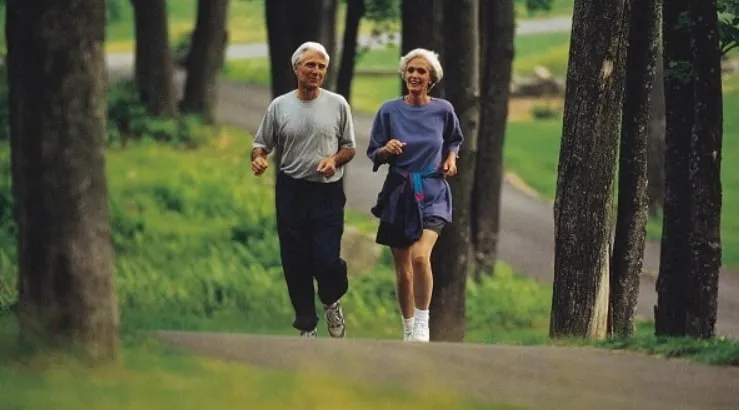
Có bạn đồng hành: Nếu có thể, hãy đi bộ cùng bạn bè, hàng xóm hoặc người thân. Việc này vừa giúp tinh thần vui vẻ, vừa có người hỗ trợ kịp thời nếu chẳng may xảy ra sự cố. Hãy luôn mang theo một chiếc điện thoại di động và mảnh giấy ghi số điện thoại người thân trong túi áo.
Lời Kết: Đi bộ không nhằm mục đích thi đấu hay lập kỷ lục, mà là để dưỡng sinh và tận hưởng cuộc sống. Người cao tuổi hãy duy trì thói quen này một cách đều đặn, vừa sức và luôn đặt yếu tố an toàn lên hàng đầu. Một bước đi đúng cách hôm nay là một bước tiến dài bảo vệ sức khỏe cho ngày mai!