H&M Đầu Tư Công Nghệ Quần Áo Từ CO2
17/03/2026 14:39 · 187 lượt xem · Technology
Cách Mạng Thời Trang Bền Vững
Ngành thời trang nổi tiếng với vấn đề rác thải khổng lồ, với một xe tải rác thải dệt may bị vứt bỏ mỗi giây. Hơn nữa, ngành công nghiệp này tạo ra nhiều ô nhiễm carbon hơn so với các chuyến bay quốc tế và vận chuyển hàng hải kết hợp. Để chống lại điều này, các công ty như H&M đang tìm kiếm các giải pháp sáng tạo để giảm thiểu tác động môi trường của họ.
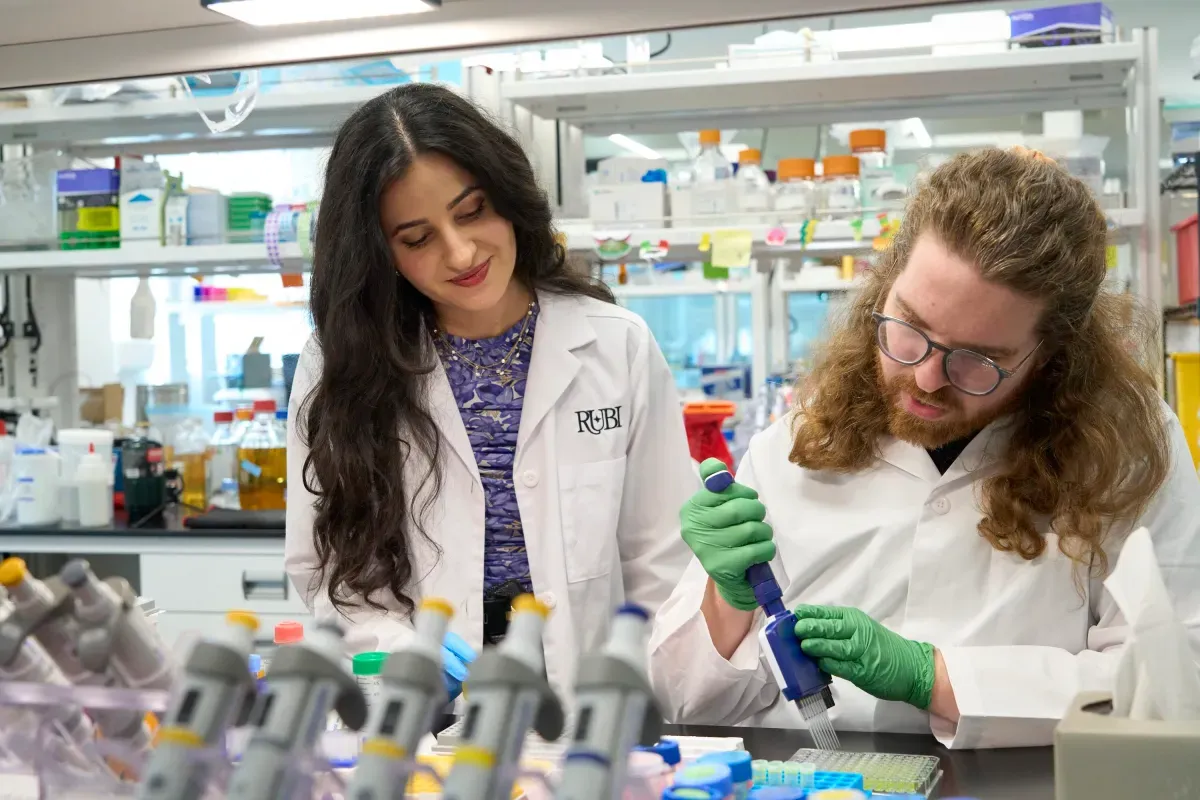
Một giải pháp như vậy là công nghệ được phát triển bởi startup Rubi, cho phép sản xuất quần áo từ carbon dioxide thu được. Đồng sáng lập và CEO của Rubi, Neeka Mashouf, giải thích rằng công nghệ của công ty sử dụng máy móc sinh học ngoài tế bào để tạo ra các khối xây dựng của lyocell và viscose. Cách tiếp cận đột phá này cho phép các công ty sản xuất sản phẩm từ CO2, giảm đáng kể sự phụ thuộc vào nhiên liệu hóa thạch của họ.
Thu Hút Vốn Cho Tương Lai Bền Vững
Rubi gần đây đã huy động được 7,5 triệu đô la để phát triển một hệ thống sản xuất cellulosic quy mô trình diễn. Hệ thống này được thiết kế để sản xuất hàng chục tấn vật liệu sử dụng CO2 as nguyên liệu chính. Vòng vốn này được dẫn dắt bởi AP Ventures và FH One Investments, với sự tham gia của CMPC Ventures, H&M Group, Talis Capital và Understorey Ventures.
Startup đã đặt hàng hơn 60 triệu đô la trong các thỏa thuận không ràng buộc với một số đối tác, bao gồm H&M, Patagonia và Walmart. Rubi cũng đã hợp tác với 15 đối tác thí điểm để kiểm tra vật liệu của mình, thể hiện tiềm năng áp dụng rộng rãi trong ngành thời trang.
Khoa Học Đằng Sau Công Nghệ Của Rubi
Công nghệ sáng tạo của Rubi涉 dụng enzyme để sản xuất cellulose cho lyocell hoặc viscose. Phương pháp này khác với các startup khác, thường sử dụng vi khuẩn được thiết kế hoặc chất xúc tác hóa học để chuyển đổi carbon dioxide thành cellulose. Bằng cách tận dụng enzyme, Rubi có thể sản xuất cellulose đạt chất lượng dệt may, một lợi thế đáng kể trong ngành thời trang.
Chuỗi cung ứng nguyên liệu thô và dệt may rất dài. Tại Hoa Kỳ, chúng tôi đã nhận được sự quan tâm về khả năng sản xuất bột cellulose chất lượng dệt may, nơi mà điều đó không tồn tại ngày nay.- Neeka Mashouf, Đồng sáng lập và CEO của Rubi
Ngành Công Nghiệp Enzyme: Chìa Khóa Cho Sự Bền Vững
Ngành công nghiệp enzyme là một lĩnh vực khổng lồ và đã được thiết lập, với các ứng dụng trong sản xuất siro ngô fructose cao và xử lý nước thải. Việc sử dụng enzyme của Rubi để xử lý carbon dioxide thải là một giải pháp hiệu quả và tiết kiệm chi phí để sản xuất cellulose. Công ty đã sử dụng các phương pháp học máy và trí tuệ nhân tạo để tăng cường hiệu quả và ổn định của các enzyme.
Quá trình sản xuất của Rubi bao gồm một chuỗi enzyme chuyển đổi carbon dioxide thành cellulose. Các enzyme nổi trong một dung dịch nước, và khi CO2 được thêm vào, cellulose trắng sẽ xuất hiện trong phản ứng trong vài phút. Các phản ứng được thiết kế để phù hợp với các mô-đun có kích thước container vận chuyển, làm cho chúng dễ dàng triển khai và mở rộng.
Một Nền Tảng Cho Vật Liệu Bền Vững
Công nghệ của Rubi có tiềm năng đổi mới ngành thời trang bằng cách cung cấp một giải pháp thay thế bền vững và tiết kiệm chi phí cho các vật liệu truyền thống. Mặc dù startup ban đầu nhắm vào các công ty may mặc, mục tiêu dài hạn của họ là cung cấp cellulose cho bất kỳ ngành công nghiệp nào sử dụng nó. Như Mashouf giải thích, đây là một nền tảng để sản xuất tất cả các hóa chất và vật liệu quan trọng trong nền kinh tế một cách tiết kiệm.
Tóm lại, công nghệ sáng tạo của Rubi có tiềm năng biến đổi ngành thời trang bằng cách cung cấp một giải pháp bền vững và tiết kiệm chi phí để sản xuất quần áo từ carbon dioxide thu được. Với sự hỗ trợ của các nhà đầu tư như H&M, Rubi đã sẵn sàng tạo ra một tác động đáng kể đến môi trường và ngành thời trang như một toàn thể.